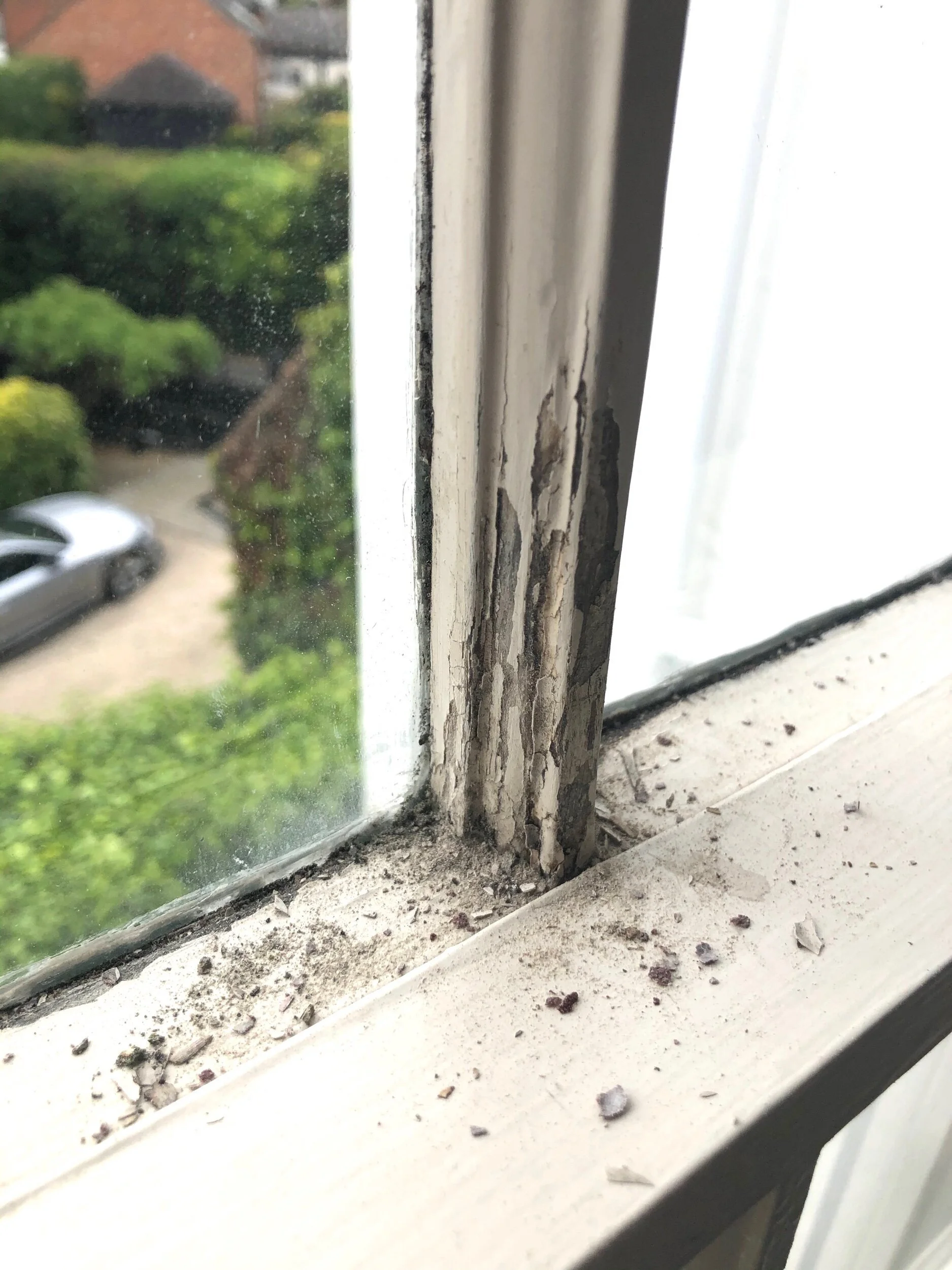
Wooden sash windows are a real asset to a home. Aesthetically beautiful, they completely elevate the architecture of a house. However, while they look great, they can be very high maintenance. On the inside, frost and condensation lead them to quickly build up black mould in the corners and for the paint to shrivel away from the wood. On the outside, regular upkeep is required to protect them from the elements, as paint problems such as peeling, cracking, and flaking mar the beauty of these classic features.
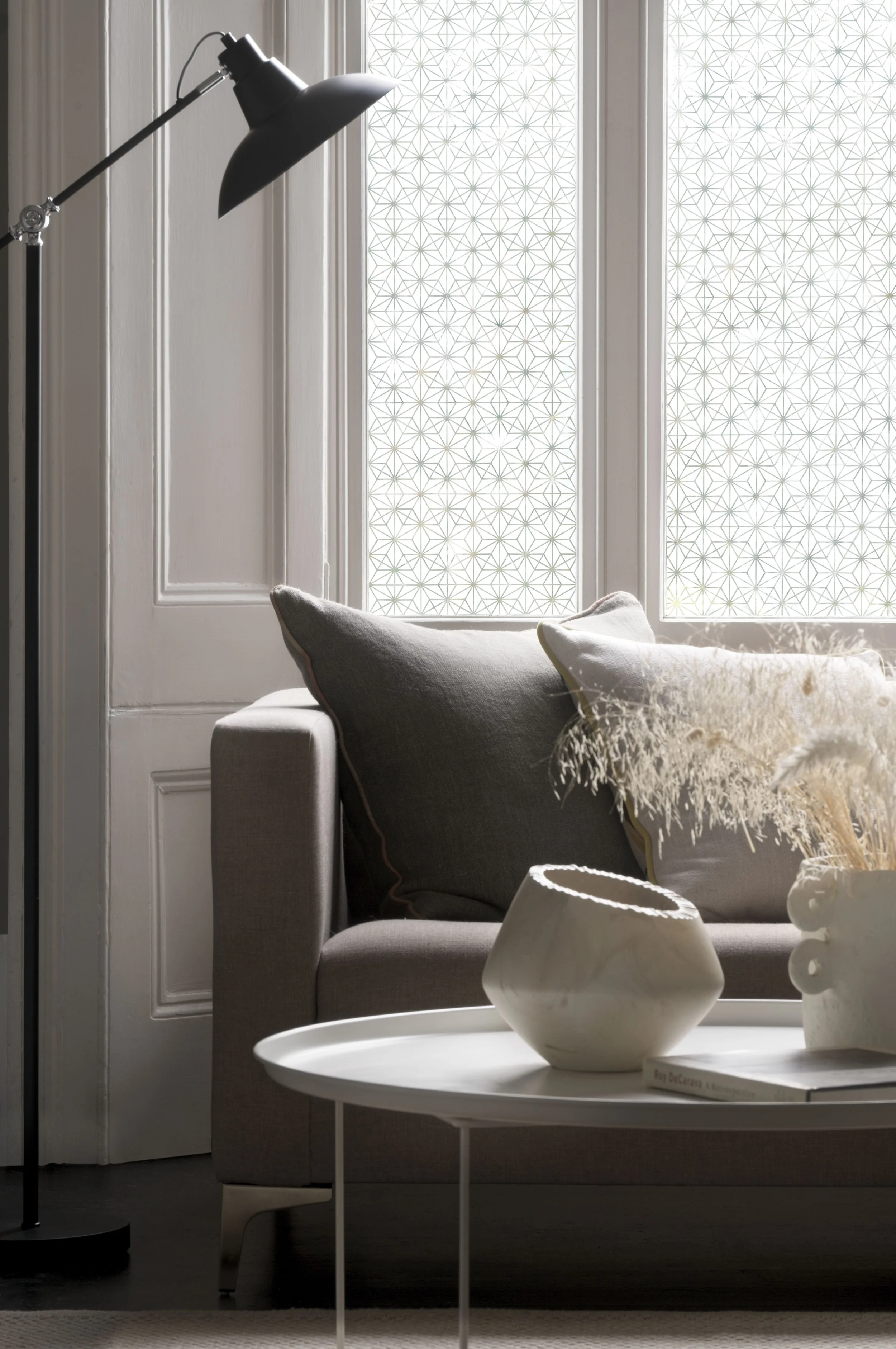
Sash windows are common on period properties (especially Victorian homes, historic buildings, and other architectural heritage sites), with the [cost of sash window restoration varying depending on factors such as access and damage, as well as if the old paint has to be professionally stripped, rather than simply sanded back. It is therefore better to maintain your sash windows to avoid significant repair work in the future. If your windows already require some [sash windows restoration it is good to know how to preserve your restored windows going forward.
Identifying the Causes
Paint problems such as peeling, cracking, and [flaking on sash windows can be frustrating and unsightly, but understanding the underlying causes is the first step toward an effective resolution. There are several factors contribute to these issues, which are not limited to but can include:
- Moisture Infiltration: Exposure to moisture (whether from rain, condensation, or high humidity levels) can seep into the wood of sash windows, causing the paint to lose adhesion and peel or crack over time.
- Poor Surface Preparation: Inadequate preparation of the window surface before painting, failure to remove old paint/properly sanding and priming the wood can lead to poor paint adhesion and subsequent peeling or flaking.
- Extreme Temperature Fluctuations: Sash windows suffer significant temperature changes throughout the year. These fluctuations can cause wooden sash windows to expand and contract, leading to stress on the paint layers and eventual cracking or peeling.
- Use of Low-Quality Paint: Using low-quality or inappropriate paint products when [painting sash windows can result in premature deterioration that includes peeling, cracking, and flaking, especially when exposed to outdoor elements.
- Age and Wear: As sash windows age the structural integrity of the wood may weaken, making them more susceptible to paint problems. Additionally, wear and tear from repeated opening and closing of the original sash windows can contribute to paint deterioration.